The real cost of Ремонтная мастерская обуви: hidden expenses revealed
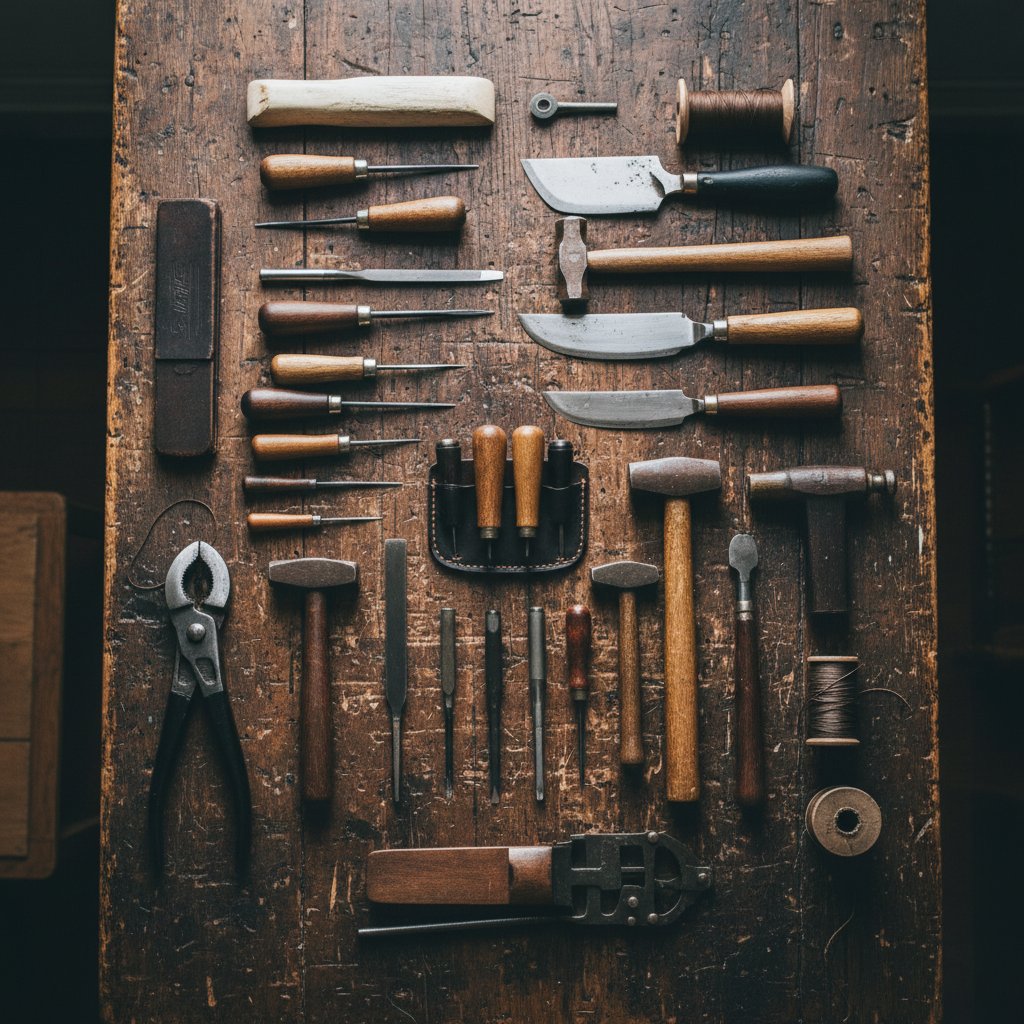
The Day Maria's Shoe Repair Shop Almost Closed
Maria had been running her small shoe repair workshop in Brooklyn for seven years when she finally sat down to calculate her real profit margins. The number that stared back at her from the spreadsheet was shocking: after accounting for every hidden cost, she was taking home barely $32,000 a year—less than she'd made as a retail clerk before opening her own place.
She wasn't alone. Across the country, shoe repair businesses operate on razor-thin margins that most customers never see. While charging $15 to resole a pair of boots or $8 to replace a heel might seem profitable, the reality of running a repair workshop tells a completely different story.
The Expenses You Can See (And The Ones You Can't)
Everyone knows about rent and materials. But those are just the tip of the iceberg.
Equipment That Eats Your Lunch Money
A professional finishing machine runs about $3,500. A quality stitcher? Another $4,200. Maria's heat reactivator cost her $1,800, and that was a mid-range model. The real kicker? These machines don't last forever. Figure on replacing or majorly servicing equipment every 5-7 years, which translates to roughly $1,200 annually just to maintain your basic toolkit.
Then there's the small stuff that adds up like compound interest. Needles wear out weekly ($40/month). Sandpaper discs vanish like magic ($85/month). Adhesives, dyes, edge finishes, polishes—suddenly you're looking at $400-600 monthly in consumables before you've fixed a single shoe.
The Inventory Nightmare
Here's what they don't tell you in business school: you need to stock materials you might use twice a year. That exotic leather patch for a customer's vintage Italian loafers? It cost $45, sits in your drawer for eight months, and you charge $60 for the repair. Congratulations, you made $15 profit over 240 days.
Most workshops carry $8,000-12,000 in material inventory at any given time. That's cash sitting on shelves instead of earning interest or paying bills. One cobbler in Seattle told me he had $1,200 worth of buckles and hardware that had been gathering dust for three years. "But the moment I throw them out," he said, "someone will walk in needing exactly that obscure part."
Time: The Silent Killer
A heel replacement takes 15 minutes for an experienced craftsperson. Sounds efficient, right? Except you're forgetting the customer consultation (5 minutes), writing the ticket (2 minutes), finding the shoes later (3 minutes), quality check (2 minutes), and checkout with chitchat (4 minutes). That $12 repair just consumed 31 minutes of your day.
Scale that across 20 repairs daily, and you're working 10+ hours to generate maybe $240 in revenue. Subtract materials, overhead, and suddenly that hourly rate looks pretty grim.
The Hidden Costs Nobody Warns You About
Insurance and Liability
General liability insurance for a shoe repair shop runs $600-1,200 annually. Sounds reasonable until you remember you also need property insurance for your equipment, potentially workers' comp if you have help, and maybe even bailee insurance to cover customer property in your care. Total annual insurance bill? Often $2,500-4,000.
The "Can You Just..." Tax
Every workshop owner knows this one. A customer brings in shoes for new soles, and while you're working, they notice a scuff. "Can you just touch that up real quick?" Or the stitching looks worn. "Can you just reinforce that while you're at it?"
These micro-services rarely get added to the bill—they feel too small to charge for—but they consume an extra 5-10 minutes per job. Multiply that across a year, and you've donated hundreds of hours of skilled labor.
Seasonal Slumps
July and August can see revenue drop 40% as people wear sandals and sneakers. But rent doesn't take a summer vacation. Neither does your equipment loan payment. Many shop owners work second jobs during slow months just to keep the lights on.
What The Survivors Know
The shops that make it past year five have figured out some hard truths. They charge what the work is actually worth, even if it means losing price-conscious customers. They specialize in higher-margin services like orthopedic modifications or luxury brand restoration. They're ruthless about saying no to unprofitable work.
One 30-year veteran in Chicago put it bluntly: "I stopped fixing $20 shoes for $15. If the repair costs more than half what the shoes are worth, I tell people to buy new ones. My time is worth something."
Key Takeaways
- True overhead for a small shoe repair shop typically runs $4,000-6,000 monthly before paying yourself
- Equipment replacement and maintenance adds $1,200-2,000 to annual costs
- "Free" extra services can consume 15-20% of your productive hours
- Successful shops focus on higher-margin specialized work rather than competing on price
- Seasonal revenue fluctuations of 30-40% require cash reserves most startups don't anticipate
Maria eventually raised her prices by 25% and stopped accepting low-value repairs. She lost some customers but started actually making a living. Last year, she cleared $58,000—not amazing, but sustainable. More importantly, she stopped feeling like she was working 60-hour weeks just to stay broke.
The shoe repair business isn't dying because people don't value craftsmanship. It's struggling because the math is brutal, and most people starting out have no idea what they're really signing up for.