Ремонтная мастерская обуви in 2024: what's changed and what works
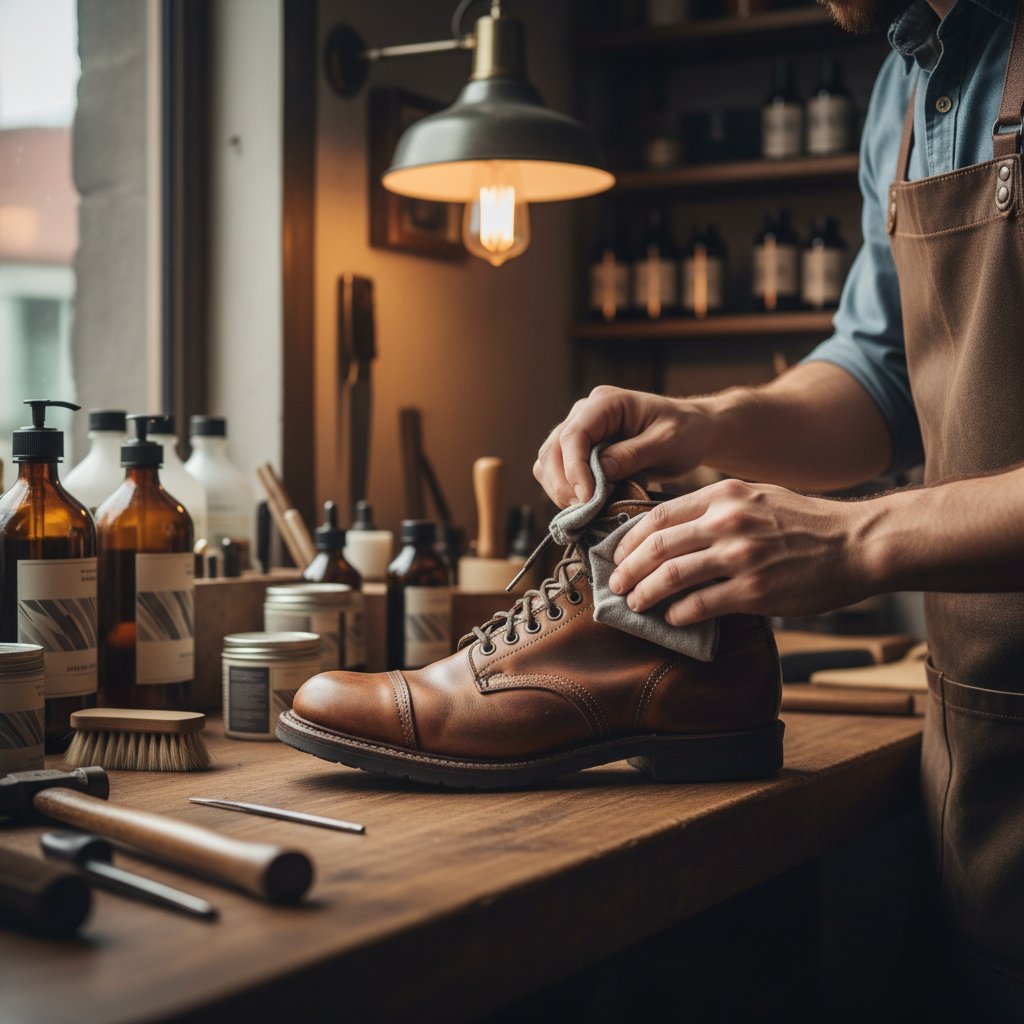
The shoe repair industry has quietly transformed itself over the past year. What used to be dusty corner shops run by elderly craftsmen now includes tech-savvy operations using Instagram for marketing and digital payment systems. I've spent months talking to cobblers, visiting workshops, and watching how this centuries-old trade is adapting to modern demands. Here's what actually changed in 2024 and what's genuinely working on the ground.
1. Dynamic Pricing Based on Material Costs
Forget fixed price lists gathering dust on the wall. Smart workshops now adjust their rates quarterly based on leather and rubber supply costs. One cobbler in Brooklyn told me his resoling prices fluctuated between $45 and $65 throughout 2024 depending on wholesale leather costs. Customers appreciate the transparency when you explain why prices shift.
The workshops that communicate these changes through simple text messages or WhatsApp updates keep clients informed without complaints. Nobody expects 2019 pricing anymore, but they do expect honesty. Post your current material costs on a small chalkboard by the counter. It's a conversation starter that builds trust rather than suspicion.
2. The 48-Hour Turnaround Standard
Same-day service used to be the gold standard. Not anymore. Customers now expect quality over speed, and savvy repair shops have capitalized on this shift. The magic number is 48 hours for standard repairs—heel replacements, basic stitching, zipper fixes. This gives you breathing room to do proper work without rushing.
Express service still exists, but it comes with a 40-50% premium that customers willingly pay when they actually need it. The key is having a simple online booking system (even just a Google Form) where clients pick their preferred turnaround time. One shop in Portland increased their revenue by 23% just by offering tiered service speeds with clear pricing.
3. Sustainability Marketing That Actually Works
Everyone claims to be eco-friendly. The workshops winning in 2024 show it with numbers. "We've kept 847 pairs of shoes out of landfills this year" hits harder than "We care about the environment." Track your repairs in a simple spreadsheet and convert them to environmental impact metrics.
Partner with local sustainable fashion brands or vintage clothing stores. Cross-promotion costs nothing but brings in customers who already value repair over replacement. One cobbler I know leaves business cards at three vintage shops and gets 15-20 new customers monthly from those relationships alone. These clients typically spend more because they already believe in extending product lifespans.
4. Specialization Beats Generalization
The workshops thriving right now have picked a lane. Some focus exclusively on luxury brand repairs—Louboutins, Ferragamos, Church's. Others specialize in work boots and outdoor footwear. Trying to be everything to everyone dilutes your expertise and marketing message.
Specialization lets you charge premium rates and build a reputation. A shop in Chicago that focuses solely on women's designer heels now charges $80-120 for repairs that generic shops do for $40, and they have a three-week waitlist. They invested in specific tools for delicate materials and learned the construction methods of luxury brands. Your Instagram feed becomes more compelling when every post shows mastery of a specific niche rather than random shoe fixes.
5. Video Documentation Replaces Lengthy Explanations
Recording 15-second videos of damaged shoes before repair saves countless hours of customer disputes. When someone drops off boots, film the wear patterns, sole separation, or stitching issues. Send it via text or email with your repair quote. After completion, film the finished work.
This practice eliminated 90% of "that damage was already there" conversations according to multiple cobblers I interviewed. Plus, these before-and-after clips become perfect social media content. You're creating marketing materials while protecting yourself from miscommunication. Store the videos in organized folders by month—they're your insurance policy and content library combined.
6. The Death of Walk-In-Only Service
Appointment systems aren't just for doctors anymore. Workshops that implemented basic scheduling (even just time slots via phone) report smoother workflows and happier customers. Nobody wants to wait around for 20 minutes while you finish another repair.
You don't need fancy software. A simple shared calendar where customers text to book 30-minute slots works perfectly. This lets you batch similar repairs together, reducing tool changes and setup time. One cobbler cut his actual working hours by 6 hours weekly just by grouping all heel replacements on Tuesday mornings and sole work on Thursday afternoons. Efficiency improved, stress decreased, and customers loved knowing exactly when to arrive.
7. Teaching Workshops as Revenue Streams
Monthly "basic shoe care" classes bring in $300-600 in additional revenue while building community connections. Teach people how to condition leather, waterproof boots, or replace basic laces and insoles. Classes run 90 minutes, cost $35-50 per person, and typically attract 8-12 participants.
These sessions create loyal customers who return for repairs beyond their skill level. They've met you, trust your expertise, and feel connected to your business. The workshops doing this report that class attendees become regular clients who also refer friends. You're not creating competition—you're building relationships with people who value craftsmanship enough to learn about it themselves.
The shoe repair business isn't dying—it's evolving. The cobblers who embrace modest technology, communicate clearly, and specialize strategically are busier than ever. Your hands still do the skilled work, but how you manage everything around those hands determines whether you're struggling or thriving in 2024.