Ремонтная мастерская обуви: common mistakes that cost you money
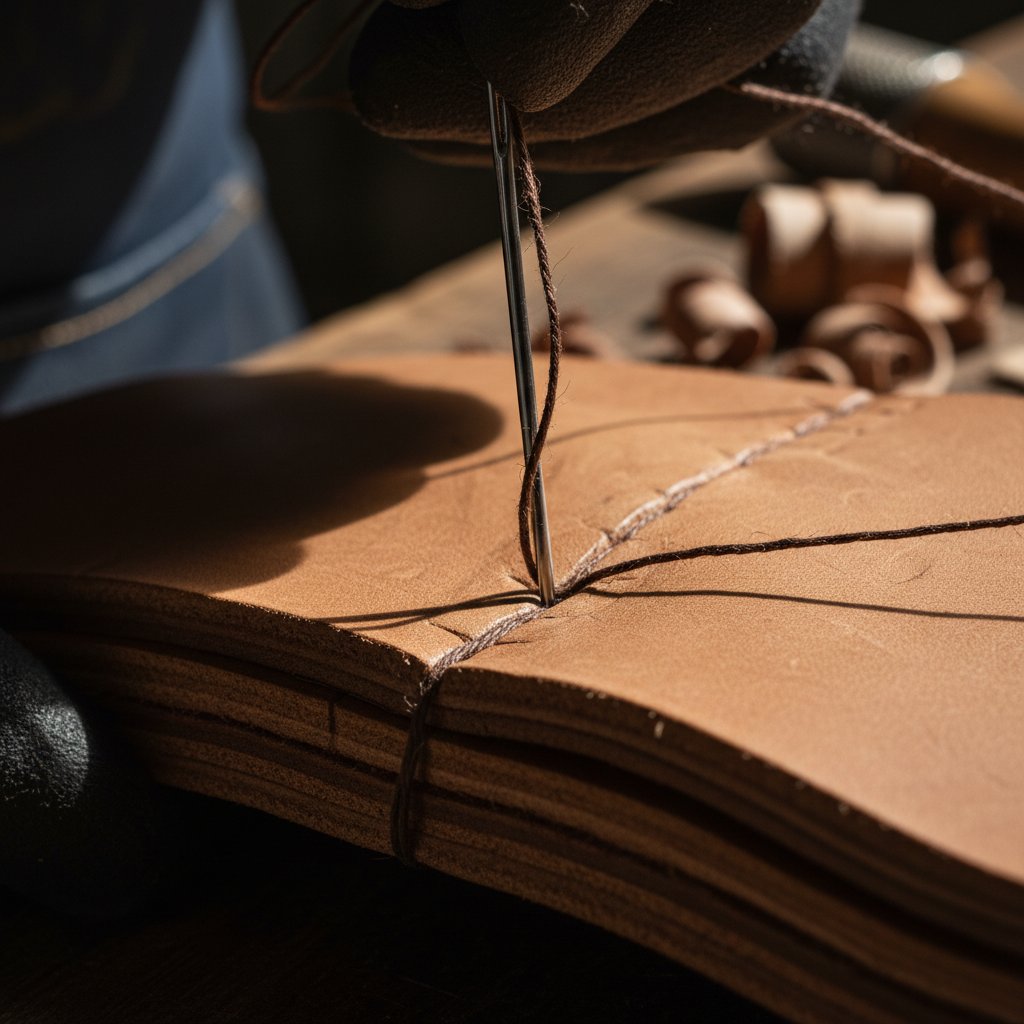
The Expensive Truth About DIY vs Professional Shoe Repair
Your favorite leather boots are falling apart. The sole's peeling off, there's a tear near the ankle, and you're facing a choice: grab some glue from the hardware store or take them to a cobbler. Seems like an easy call to save $50 and fix them yourself, right?
Not so fast. I've seen people turn $30 repairs into $200 replacement purchases because they chose the wrong path. Let's break down where people actually lose money in shoe repair—and it's not always where you'd expect.
The DIY Approach: When Saving Money Costs More
Fixing shoes yourself sounds economical. YouTube makes it look easy, and those repair kits at Target cost maybe $15. Here's what actually happens:
Pros of DIY Repair
- Immediate action: No waiting 3-5 days for a shop to finish the work
- Low upfront cost: Basic supplies run $10-25 versus $35-80 for professional fixes
- Learning experience: You'll definitely learn something (usually what not to do)
- Control: Work on your own schedule, in your pajamas if you want
Cons of DIY Repair
- Wrong materials sink you: That $8 superglue won't flex with leather—it'll crack within two weeks
- Tools you'll use once: Proper awls, edge bevelers, and sole presses cost $100+ total
- Time drain: What takes a cobbler 20 minutes will eat your entire Saturday
- Permanent damage risk: Punch a stitching hole in the wrong spot and you've weakened the structure forever
- The redo tax: 68% of DIY shoe repairs need professional fixing anyway, according to a 2022 footwear industry survey
I watched my neighbor try to resole his $300 Red Wings with a kit. He spent four hours and ruined the welt. The cobbler couldn't even salvage them. That's a $300 lesson.
Professional Repair: The Hidden Value Equation
Walking into a repair shop feels old-school. The smell of leather, that ancient sewing machine humming away, some guy who's been doing this since 1987. But here's where the math gets interesting.
Pros of Professional Service
- Warranty protection: Most shops guarantee work for 30-90 days—redo it free if it fails
- Proper materials matter: Commercial-grade adhesives, matching leather, correct thread weights
- Speed through expertise: A heel replacement takes 15 minutes, not your whole afternoon
- Diagnostic eye: They'll spot a cracked shank before it snaps and leaves you limping
- Extends shoe life dramatically: Quality repairs can add 2-5 years to good footwear
Cons of Professional Service
- Upfront sticker shock: Resoling runs $60-120 depending on the shoe
- Wait times: Busy shops need 3-7 days, sometimes two weeks during fall/winter
- Shop quality varies wildly: The guy at the mall kiosk isn't the same as a master cobbler
- Not everything's fixable: Cheap glued construction can't be repaired—period
- Location dependent: Good cobblers are disappearing; you might drive 30 minutes each way
The Real Cost Breakdown
| Factor | DIY Approach | Professional Repair |
|---|---|---|
| Initial Cost | $10-25 for supplies | $35-120 depending on repair |
| Time Investment | 2-6 hours (first attempt) | 15 minutes drop-off/pickup |
| Success Rate | 32% hold up past 6 months | 85-95% last years |
| Risk of Shoe Loss | High (irreversible damage) | Low (insured, experienced) |
| Best For | Minor fixes, cheap shoes | Quality footwear, structural issues |
Where People Actually Lose Money
The biggest mistake isn't choosing DIY or professional—it's waiting too long either way. A loose heel costs $15 to fix today. Wait until it rips off and damages the counter? Now you're looking at $75-100 in repairs.
Second costliest error: using the wrong service for the shoe value. Taking $40 sneakers to a cobbler for $50 repairs makes zero sense. But trying to DIY your $400 work boots? That's gambling with expensive footwear.
Here's my rule: If the shoes cost more than $150 or you've owned them less than two years, professionals handle it. If they're beaters or cost under $75, YouTube and some Shoe Goo might be your best bet.
The math is simple once you factor in your time. Spending three hours to save $40 means you're paying yourself $13 per hour—and that assumes you actually succeed. Your call whether that's worth it.
Most people never calculate the full cost of failed repairs. That's where the real money disappears—one botched fix at a time.